Participating in body piercing workshops offers an invaluable opportunity to learn essential techniques for safe and effective piercing procedures. These workshops are designed to provide hands-on experience, allowing enthusiasts and aspiring professionals to develop their skills in a controlled and supervised environment. Gaining proper training is crucial for ensuring client safety and achieving professional standards in this industry.
Moreover, such workshops help individuals understand the importance of hygiene and aseptic techniques. Attendees learn about sterilization protocols, proper use of tools, and how to prevent infections, which are all critical aspects of responsible piercing practice. This foundational knowledge fosters both confidence and competence in aspiring piercers.
Tools and Equipment Familiarization
One of the primary skills acquired during these workshops is identification and handling of various piercing tools and equipment. Participants get hands-on experience with needles, forceps, and piercing guns, understanding their specific uses and limitations. Proper tool selection is essential for accuracy and safety during piercing procedures.
The workshops also cover the importance of maintaining and sterilizing equipment to prevent contamination. Learning correct sterilization techniques ensures that tools are free of pathogens, protecting clients from potential infections. Such knowledge is vital for running a professional and responsible piercing practice.
Anatomy and Placement Techniques
Understanding anatomy is fundamental for accurate and safe piercing. Workshops teach participants how to identify specific body structures to minimize risks and avoid nerve damage. Recognizing the correct placement enhances the aesthetic outcome and ensures long-term satisfaction.
Participants practice various techniques for placing piercings precisely on different parts of the body. Emphasis is placed on alignment, depth, and angle, which are key to healing properly and achieving the intended design. Mastery of these skills is essential for professional success in the industry.
Client Consultation and Care

Effective communication with clients is a skill cultivated during these workshops. Piercers learn how to ask the right questions about allergies, medical history, and expectations. Building trust ensures clients feel comfortable and informed about the process.
The workshops also emphasize post-procedure care instructions. Educating clients on how to maintain cleanliness, recognize signs of infection, and schedule follow-ups reduces complications and promotes healthy healing. These consultations are crucial for establishing professionalism and client satisfaction.
Legal and Ethical Considerations
Understanding regulations and licensing requirements forms a vital part of the training. Participants learn about local laws governing body piercing and how to adhere to industry standards. Compliance ensures both legality and credibility of their practice.
Ethical practices, including respecting client privacy and obtaining informed consent, are also stressed. These principles uphold the integrity of the profession and protect both the client and piercer. Familiarity with legal and ethical aspects prepares aspiring professionals to operate responsibly.
Infection Control and Safety Protocols
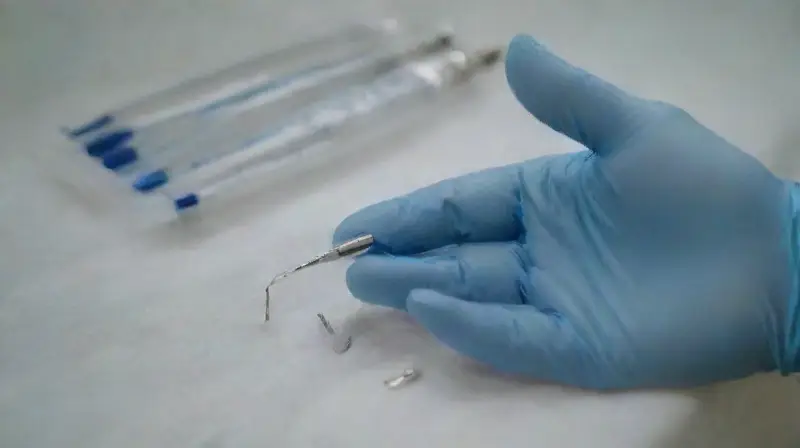
Workshops provide comprehensive instruction on infection prevention strategies. Proper handwashing, use of personal protective equipment, and surface cleaning are demonstrated and practiced. Maintaining a sterile environment is critical to prevent complications.
Participants also learn how to handle accidental injuries or exposure to bloodborne pathogens, ensuring they can respond appropriately in emergencies. Emphasizing safety protocols helps foster a secure environment for clients and practitioners alike.
Business Skills and Industry Insights
Beyond technical skills, workshops offer insights into managing a piercing business. Topics include marketing, client retention, and setting up a professional studio. Understanding the business side of things is key to long-term success.
Attendees also gain knowledge about industry trends and ongoing education opportunities. Staying informed about innovations and new techniques keeps practitioners competitive and ensures they provide the best services to clients. Developing business acumen complements technical expertise for a well-rounded career.
Conclusion
Participating in body piercing workshops equips individuals with a comprehensive set of skills vital for safe and professional practice. From understanding anatomy to mastering technical techniques, each aspect contributes to building confidence and competence in the industry.
Ultimately, these workshops foster a culture of responsibility, emphasizing safety, ethics, and customer care. Aspiring piercers leave with the knowledge needed to succeed and to uphold the highest standards within the body art community.