Sterilization technology plays a crucial role in ensuring the safety and hygiene of medical environments, food processing, and various industrial applications. As the demand for more efficient and sustainable methods increases, industry professionals are continually seeking innovative solutions to improve sterilization processes. The future of sterilization technology is poised to bring significant advancements that will enhance effectiveness and safety across multiple sectors.
Advancements in materials science, automation, and environmental sustainability are shaping the evolution of sterilization methods. Emerging technologies aim to reduce chemical use, minimize energy consumption, and enhance sterilization speed, all while maintaining high standards of safety. These trends reflect a broader shift toward smarter and more eco-friendly solutions that meet global health and environmental challenges.
3D Printing of Sterilization Devices
The use of 3D printing in developing sterilization devices is opening new horizons in customization and rapid production. By enabling the creation of tailor-made sterilization tools, this technology allows healthcare providers to meet specific needs quickly and cost-effectively. The ability to prototype and produce complex geometries also accelerates the development cycle.
With 3D printing, sterilization devices can be designed to optimize efficiency and usability, reducing material waste and lowering production costs. Furthermore, in remote or resource-limited areas, on-demand manufacturing of sterilization tools can improve access to essential infrastructure. This innovation is set to revolutionize the way sterilization equipment is designed, manufactured, and deployed.
In addition, ongoing research focuses on biocompatible and sterilizable materials suitable for 3D printing. These advancements will ensure that printed devices meet the strict safety standards required for medical use. As regulations evolve, 3D printing will likely become a mainstream method for producing sterile equipment in various industries.
Use of nanotechnology in sterilization
Nanotechnology offers promising avenues to enhance sterilization methods through the manipulation of particles at molecular scales. Nano-coatings and nanomaterials can imbue surfaces with antimicrobial properties, significantly reducing microbial contamination without relying on chemicals. This approach creates “self-sterilizing” surfaces that are durable and long-lasting.
Studies indicate that nanoparticles such as silver, copper, and zinc oxide possess potent antimicrobial activity when applied to surfaces or incorporated into materials. These nano-enhanced surfaces can deactivate or inhibit pathogens rapidly, improving overall hygiene standards. Such innovations are especially valuable in high-touch environments like hospitals and food processing plants.
Continuous advancements in nanomaterials aim to develop more effective, safe, and environmentally friendly sterilization solutions. Researchers are exploring ways to control nanoparticle release to prevent toxicity, ensure durability, and maximize antimicrobial efficacy. The integration of nanotechnology into sterilization processes is expected to redefine disinfection standards worldwide.
Use of ultraviolet (UV) light
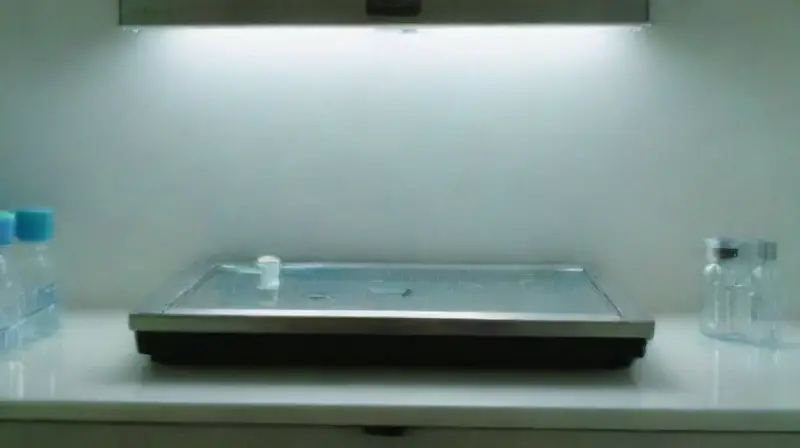
Ultraviolet (UV) light has long been recognized for its germicidal properties, and recent innovations aim to expand its application in sterilization. UV-C light, in particular, is effective at inactivating a wide range of microorganisms, making it ideal for sterilizing air, surfaces, and liquids. Advances in LED technology are making UV light sources more compact, energy-efficient, and accessible.
New sterilization systems utilize motion sensors and automation to provide continuous or on-demand disinfection, reducing human error and increasing safety. Portable UV sterilizers are also becoming more prevalent, enabling quick sterilization of personal items and equipment in various settings. Such flexible approaches support the dynamic needs of healthcare, hospitality, and transportation sectors.
Research efforts are focused on optimizing UV wavelengths and dosing to achieve maximum microbial inactivation while minimizing material degradation. Combining UV with other sterilization methods, such as filtration or chemical agents, provides synergistic effects and broadens application scopes. The future of UV sterilization is geared toward safer, more robust, and smart systems.
Autoclave innovations
The autoclave industry is experiencing significant innovation aimed at improving sterilization cycles, safety, and environmental impact. New models incorporate smart sensors and IoT connectivity to monitor and optimize sterilization parameters in real-time. These features help prevent equipment failure and ensure compliance with strict sterilization standards.
Energy efficiency is a key focus, with modern autoclaves utilizing advanced insulation and energy recovery systems to reduce power consumption. Additionally, the development of eco-friendly sterilants and water-saving designs aligns with global sustainability goals. These improvements make autoclaves more cost-effective and environmentally responsible.
Design enhancements also emphasize user friendliness, with intuitive interfaces and faster cycle times. Future autoclaves will likely feature automated maintenance prompts and remote diagnostics to ensure consistent performance. As the technology advances, autoclaves will become more responsive, reliable, and sustainable.
Cold sterilization techniques
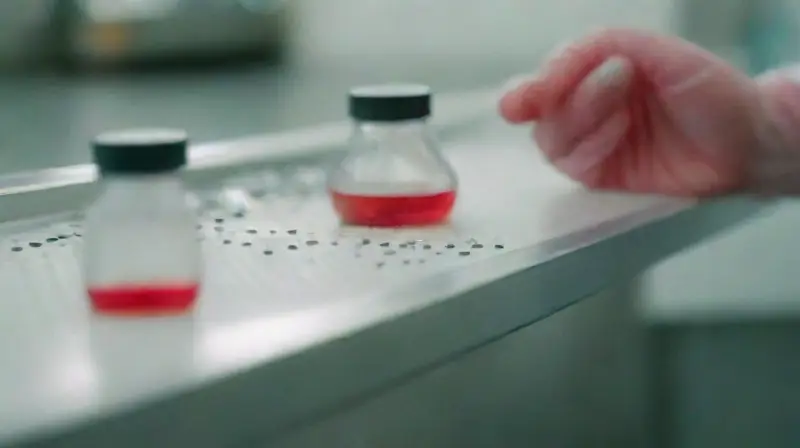
Cold sterilization offers an alternative to heat-based methods, especially suitable for heat-sensitive materials. Innovations are focused on developing chemical and plasma-based sterilization processes that achieve rapid and thorough disinfection without damaging delicate items. These techniques are increasingly important in modern hospitals and laboratories.
One promising development is the use of ozone, hydrogen peroxide vapor, and other gases that can effectively sterilize medical equipment in enclosed spaces. These methods reduce the need for prolonged exposure times and lower chemical residues, improving safety for users and the environment. They also allow sterilization of complex and porous materials that are difficult to disinfect with traditional heat.
Emerging plasma sterilization techniques utilize ionized gases to deactivate microbial life, offering sterilization in minutes rather than hours. Ongoing research aims to enhance effectiveness, reduce costs, and make cold sterilization more accessible. As these technologies mature, cold sterilization will become a more versatile and sustainable option.
Eco-friendly sterilization options
Environmental concerns are driving the development of sustainable sterilization methods that minimize chemical waste and energy consumption. Researchers are exploring natural and biodegradable sterilants, such as ozone and plant-based compounds, that can replace traditional chemicals. These options promise effective disinfection with fewer environmental impacts.
Energy-efficient systems, such as low-temperature plasma and UV-based solutions, are also gaining popularity. They require less electricity and generate less waste, aligning with global efforts to reduce carbon footprints. Moreover, designing equipment with reusable components and reducing water usage contributes to more eco-conscious sterilization practices.
In addition to technological innovations, policymakers and industry stakeholders are promoting regulations and standards that encourage green practices. The future of sterilization will see a paradigm shift towards environmentally responsible methods that uphold safety without compromising sustainability.
Conclusion
The future of sterilization technology is characterized by a focus on innovation, efficiency, and sustainability. As new materials, methods, and automation tools develop, we can expect safer, faster, and more eco-friendly sterilization solutions that cater to diverse needs across healthcare, industry, and public sectors. These advancements will help better protect public health while addressing environmental challenges.
Adopting these emerging technologies will not only improve sterilization effectiveness but also reduce costs and environmental impact. Industry stakeholders must collaborate, invest in research, and adhere to evolving standards to facilitate the widespread implementation of these advanced solutions. Embracing these trends will be essential in creating safer and more sustainable environments for all.