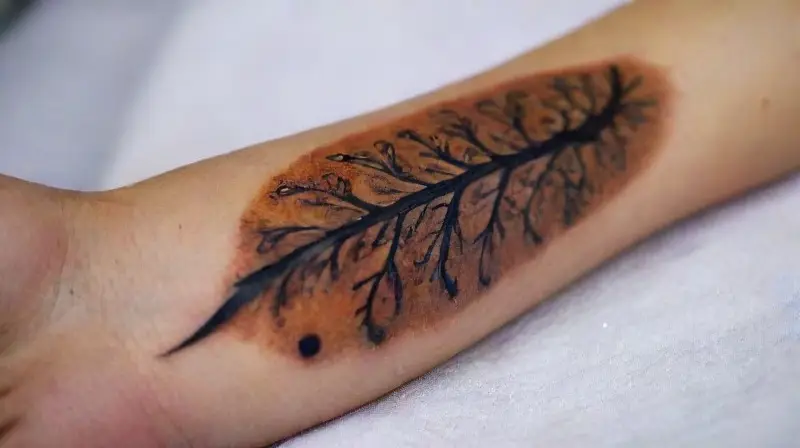
The popularity of tattoos and piercings has surged worldwide, with many seeking unique ways to express themselves through body art. As these procedures become increasingly common, there is a growing concern about infection control and long-term safety. Consequently, researchers and manufacturers are exploring innovative materials that can help reduce the risks associated with these body modifications.
Recent developments in biomaterials focus on incorporating antimicrobial properties directly into tattoo inks and piercing accessories. These advancements aim to combat bacterial and fungal growth, which are common sources of complications. By integrating antimicrobial agents into the materials themselves, the goal is to make tattooing and piercing safer for consumers globally.
Development of antimicrobial tattoo inks
The traditional tattoo ink consists mainly of pigments suspended in a carrier solution, but it lacks inherent antimicrobial properties. Modern research has introduced inks infused with substances like silver nanoparticles and other antimicrobial agents. These components can effectively inhibit the growth of microbes that might infect the skin during or after tattooing.
Incorporating antimicrobial compounds into tattoo inks not only helps reduce the risk of infection but also extends the ink’s stability and lifespan. It is essential, however, to ensure these additives do not compromise the color vibrancy or cause adverse reactions. Advanced formulations are carefully tested to maintain the aesthetic qualities that customers expect.
Manufacturers are also developing biodegradable and environmentally friendly antimicrobial inks. These innovations cater to a growing demand for sustainable body art options. As research progresses, more effective and safer antimicrobial pigments are anticipated to enter the market, revolutionizing the tattoo industry.
Antimicrobial materials in piercing jewelry
Piercing jewelry traditionally consists of metals like surgical steel, titanium, or gold. However, these materials can sometimes harbor bacteria if not properly sterilized or if worn during an infection. To address this issue, scientists are working on embedding antimicrobial properties directly into the jewelry materials.
Materials such as coated titanium or ceramic with antimicrobial layers are being tested for their ability to resist microbial colonization. These coatings are designed to withstand body conditions without degrading or irritating the skin, ensuring both safety and durability. This approach can significantly reduce the incidence of infection at piercing sites.
Furthermore, new alloys are being developed that intrinsically possess antimicrobial characteristics. Such materials eliminate the need for external coatings, providing long-lasting protection. As regulatory approvals advance, these innovative jewelry options are expected to become mainstream in body piercing practices.
Antimicrobial wound healing dressings

Body modifications often involve open skin wounds that require proper care to prevent infection. Antimicrobial wound dressings are an essential development in supporting safe healing post-procedure. These dressings are imbued with agents like silver or honey that actively combat microbial growth.
The use of antimicrobial dressings accelerates healing, reduces inflammation, and minimizes scarring. They are particularly beneficial in cases of deep or extensive work, where the risk of bacterial infiltration is higher. Proper application and regular change of these dressings improve recovery outcomes for clients.
Advances also include dressings with controlled drug release systems, providing sustained antimicrobial action over time. These innovations ensure that body art healing is safer, more comfortable, and less prone to complications.
Antimicrobial coatings for equipment
Sterilization of tools and equipment is crucial for preventing cross-contamination in tattoo and piercing studios. Recent innovations involve applying antimicrobial coatings to equipment surfaces, which can help maintain hygiene standards during operations.
These coatings work by providing a persistent barrier against bacteria, fungi, and viruses. They reduce reliance solely on sterilization methods like autoclaving, offering an added layer of protection. This technology is particularly useful for reusable tools such as needles, clamps, and ink caps.
Research continues to optimize durability and safety of these coatings, ensuring they do not interfere with regular sterilization procedures. Implementation of antimicrobial surfaces can significantly enhance the overall safety protocols in body modification establishments.
Regulatory and safety considerations
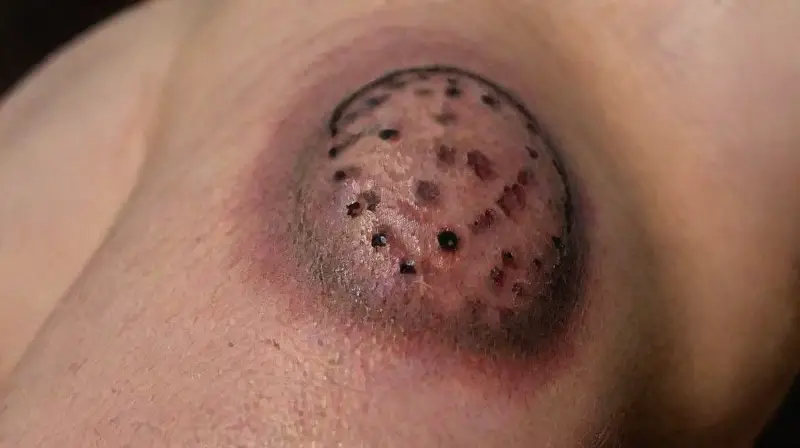
The introduction of antimicrobial materials in tattooing and piercing raises important regulatory questions concerning safety. It is vital for these products to undergo rigorous testing to prove their efficacy and biocompatibility before reaching the market. Authorities expect clear documentation on toxicity levels and potential allergic reactions.
Manufacturers must also ensure that antimicrobial agents do not leach into the skin over time, leading to unforeseen health effects. Compliance with health standards and international guidelines is essential for consumer trust and industry regulation. Ongoing evaluation and post-market surveillance contribute to safer adoption of this technology.
Public awareness and professional training are critical for implementing these innovations responsibly. Educating artists and clinicians on the proper use of antimicrobial materials promotes safer practices and reduces the risk of complications.
Future prospects and challenges
The future of antimicrobial materials in body art looks promising, with ongoing research focusing on nanotechnology and bio-engineered substances. These approaches aim to further improve antimicrobial efficacy while minimizing potential side effects. The integration of smart materials that respond to microbial presence is an exciting area of development.
However, challenges remain in ensuring these materials are cost-effective, safe, and accessible worldwide. Regulatory hurdles and the need for comprehensive clinical trials can slow down the widespread adoption of innovative solutions. Collaboration between scientists, manufacturers, and health authorities is essential to overcome these obstacles.
As consumer demand for safer body modification options grows, the industry must adapt by developing standardized regulations and quality controls. Overall, the next decade promises significant advances in antimicrobial technologies that will enhance safety and satisfaction for body art enthusiasts.
Conclusion
The integration of antimicrobial materials into tattoo and piercing practices marks a significant step forward in healthcare and safety. These innovations help protect clients from infections and contribute to better healing outcomes. As research progresses, more effective and eco-friendly options will become available, setting new standards in the industry.
Moving forward, continued investment in regulatory frameworks and technological development will be crucial to ensure these materials are safe and accessible. Education and training will also play vital roles in maximizing the benefits of these scientific advances, fostering a safer environment for body modification practitioners and enthusiasts alike.