

Tattoos have long been a meaningful form of expression across diverse cultures around the world. They serve as symbols of heritage, spiritual beliefs, and personal stories that are often passed down through generations. The rich history behind traditional tattooing techniques reflects a deep connection between communities and their unique identities.
Today, traditional and cultural tattoos continue to inspire modern artists, blending ancient motifs with contemporary styles. These collections aim to preserve the authenticity of techniques and designs, ensuring that cultural stories are passed on to future generations. Such portfolios showcase the artistry and significance of tattoos rooted in tradition.
Roots of Cultural Tattoos
Cultural tattoos trace back thousands of years, originating from ancient civilizations like Polynesia, Africa, and the Arctic Circle. Each region developed distinct patterns that embodied social status, spiritual beliefs, and rites of passage. These designs often held sacred importance, serving as a connection to ancestors and gods.
Historically, tattoo artists used natural pigments to create their designs, relying on methods passed down within communities. The tools varied from bone and wood to thorn needles, each technique unique to the culture. Preserving these methods is essential to maintaining the integrity of traditional tattoo practices.
These tattoos often played a prominent role during ceremonies and life events, emphasizing the communal significance of body art. Today’s tattoo portfolios aim to honor these traditions, blending them with cultural respect and understanding. They serve as a testament to the enduring power of cultural expression.
Polynesian Tattoo Art
Polynesian tattoos, especially those from Samoa, Tahiti, and Hawaii, are renowned for their intricate geometric patterns and storytelling elements. These tattoos often symbolize ancestral lineage, social hierarchy, and personal achievements.
Traditional Polynesian tattooing involves the use of handmade tools like chisel-like instruments called “tatatau” that create deep, bold lines. The process is considered a sacred ritual, requiring specific rituals and permissions before the tattooing begins.
Each element in Polynesian designs carries specific meaning, from symbolic motifs of ocean waves to representations of warrior status. Modern portfolios honor these motifs by reinterpreting them with contemporary sensibilities while respecting their original significance.
Maori Tattooing (Moko)

Maori tattoos, known as Moko, are distinctive for their complex patterns and facial designs that tell personal stories. These tattoos were traditionally reserved for male warriors and chiefs, symbolizing status and achievements.
The process of creating a Moko involved chiseling into the skin using traditional tools, producing textured and deeply rooted designs. Each pattern was specific to the individual, representing familial and tribal lineage.
Today, Moko continues to be a vital aspect of Maori identity, with modern practitioners embracing traditional techniques and symbolism. Portfolios dedicated to Moko emphasize authenticity, showcasing intricate detailing and cultural reverence.
African Body Art
African body tattoos and scarification are rich in symbolism and serve as rites of passage, social status, and spiritual protection. Different tribes, like the Yoruba and Maasai, have their unique patterns and techniques that are deeply tied to their identity.
Many African designs involve scarification—permanent markings created by cutting the skin and applying natural substances. These procedures are often performed during significant life events such as coming of age ceremonies.
Contemporary collections aim to preserve these cultural practices, often fusing traditional patterns with modern tattoo art. Such portfolios highlight the heritage and deep cultural roots present in African body art.
Japanese Traditional Tattoos
Japanese Irezumi tattoos are celebrated for their vibrant colors and detailed iconography, including koi fish, dragons, and cherry blossoms. These designs are often associated with legendary stories and symbolic meanings like strength and perseverance.
Historically, Japanese tattooing was a subculture practiced secretly by prisoners and outcasts, but it later gained recognition as a form of fine art. Techniques involve traditional tools like hand-poked needles, creating rich textures and depth.
Modern portfolios pay homage to this heritage by respecting traditional techniques while integrating contemporary aesthetic elements. These tattoos serve as a bridge between ancient symbolism and modern artistic expression.
Native American Tattoos
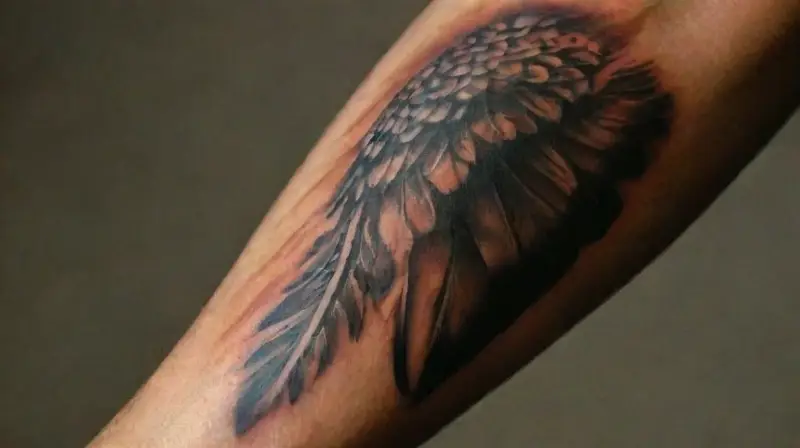
Native American tribes have used body art for centuries to denote identity, spiritual beliefs, and social status. Common motifs include animal totems, geometric patterns, and sacred symbols representing nature.
Historically, these designs were carved, painted, or tattooed onto the skin using natural ingredients like charcoal and plant dyes. Such artwork often played a crucial role during ceremonies and rituals.
Today’s tattoo collections strive to honor Native American heritage by incorporating traditional symbols and respecting their meaning. Many artists focus on preserving the cultural significance embedded in these designs.
Southeast Asian Tattoo Traditions
Southeast Asian cultures, including Thai, Burmese, and Indonesian communities, have a rich tradition of tattooing that signifies protection, luck, and spiritual power. Designs often include mythical creatures, floral patterns, and sacred scripts.
The methods involve hand-poked techniques using natural inks and local tools like bamboo tubes or metals. These tattoos are frequently performed during religious or cultural festivals, emphasizing their ritual importance.
Modern portfolios focus on capturing the details of these designs while respecting their spiritual roots. They highlight the craftsmanship involved and the cultural narratives behind each pattern.
Conclusion
Traditional and cultural tattoos embody more than just artistic expressions; they are repositories of history, identity, and spiritual significance. Preserving these practices ensures that the stories and heritages of various communities continue to thrive in modern society.
By showcasing authentic motifs, techniques, and narratives, tattoo portfolios serve as an important bridge between ancient traditions and contemporary artistic innovation. They honor the cultural richness embedded in body art and promote a deeper understanding and appreciation of global heritage.

