Mandala tattoos have gained popularity for their intricate designs and deep meaning. These visual symbols are rooted in spiritual traditions, representing the universe and wholeness. Many individuals choose mandala tattoos to reflect their journey toward enlightenment and inner peace. Their detailed patterns and symmetry make them a captivating choice for body art enthusiasts.
Beyond their aesthetic appeal, mandalas serve as tools for meditation and self-discovery. People often get these tattoos as a reminder of balance, harmony, and spiritual growth. Each design is unique, allowing for a highly personalized expression of faith or personal transformation. The significance behind the mandala enhances the emotional connection to the artwork.
The Origins of Mandala Symbols
The origins of mandala symbols can be traced back thousands of years across different cultures. They are prominent in Hinduism and Buddhism, where they are used as spiritual tools during meditation. These ancient traditions view mandalas as representations of the cosmos, embodying universal energy and divine architecture.
Historically, mandalas have been created using various mediums, including sand, paint, and stone. Artists dedicated to spiritual practice crafted these intricate designs to focus their minds and channel spiritual power. The geometric precision and symbolic elements reflect a deeper understanding of the universe’s structure and divine order.
The core concept of the mandala revolves around unity and balance. By incorporating symmetry and repetitive patterns, ancient designers aimed to symbolize the interconnectedness of all life’s aspects. This universal symbol has persisted through time, influencing spiritual art and modern tattoo designs globally.
Popular Mandala Tattoo Designs
Among the most common mandala tattoo styles are circular, floral, and layered patterns. Circular designs embody eternity and completeness, making them a popular choice for spiritual emblems. These tattoos often feature concentric rings filled with symbolic motifs that highlight personal growth.
Floral mandalas incorporate intricate petal shapes and organic elements, symbolizing beauty, renewal, and the cycle of life. They are often customized with favorite flowers or specific motifs that hold personal meaning. These designs can range from delicate and subtle to bold and elaborate.
Layered mandala tattoos combine multiple geometric shapes and patterns to create a complex visual effect. This style reflects layers of consciousness or different aspects of the self. Artists often incorporate vibrant colors and shading to enhance depth and spiritual significance within these designs.
Symbolism and Meaning Behind Mandalas
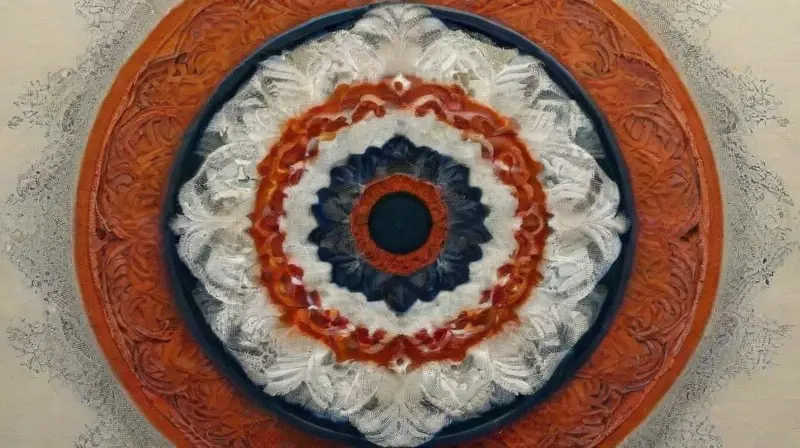
Mandala tattoos carry a profound and diverse array of symbolic meanings. They often represent the journey of self-discovery and spiritual awakening, acting as a reminder to stay centered during challenging times. Many wearers see their mandala as a source of inner strength.
Additionally, mandalas symbolize harmony, unity, and balance. They serve as visual representations of the universe’s order and the interconnectedness of all beings. When incorporated into body art, these symbols can foster a sense of peace and purpose for the individual.
The ceremonial use of mandalas underscores their importance in spiritual practices. Whether used for meditation, healing, or ritual, the geometric complexity invites reflection and mindfulness. As a tattoo, it continues to inspire personal growth and spiritual connection.
Placement and Size Considerations
Choosing the right placement for a mandala tattoo is crucial to its overall impact and personal significance. Many opt for prominent body parts such as the back, chest, or shoulders to emphasize the detailed patterns. Smaller, simpler designs are often placed on wrists, ankles, or behind the ear for subtlety.
The size of the tattoo can greatly influence its visual effect and ease of execution. Larger tattoos allow for intricate detailing and color shading that enhance symbolism and artistry. Smaller tattoos require simplicity but can still carry deep personal meanings and aesthetic appeal.
Tattoo artists often work with clients to customize placement based on their personal concept and desired visibility. Consideration of how the tattoo interacts with natural contours and daily life is essential for a harmonious and meaningful result. Proper placement enhances both the spiritual and artistic aspects of the design.
Color Significance in Mandala Tattoos
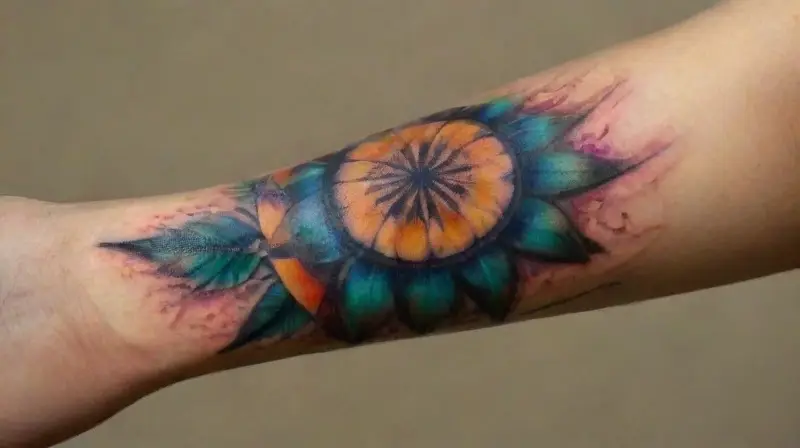
Color plays a vital role in conveying the meaning behind mandala tattoos. Bright and vibrant hues such as red, blue, and gold are often used to evoke feelings of energy, tranquility, and enlightenment. Each color can have specific spiritual connotations depending on cultural context.
Some individuals prefer black and gray mandalas for a more subtle and timeless look. This monochrome approach highlights the detailed line work and symmetry, emphasizing the geometric precision of the design. Black ink also symbolizes strength and resilience in many spiritual traditions.
The choice of colors can also be personalized to reflect individual attributes or spiritual goals. Color symbolism, combined with specific patterns and motifs, creates a deeply meaningful tattoo that resonates with the wearer’s personal journey. A skilled artist can help choose the palette that best reflects your spiritual aspirations.
Customizing Your Mandala Tattoo
Personalization is key when designing a mandala tattoo. Many artists collaborate closely with clients to incorporate elements that hold deep meaning for them. This might include specific symbols, initials, or patterns that reflect their life story or spiritual beliefs.
Adding meaningful motifs, such as lotus flowers, animals, or sacred symbols, can further enhance the significance of the tattoo. The customization process allows for a unique design that truly represents the individual’s identity and journey toward inner peace.
Work with an experienced tattoo artist to ensure that your vision aligns with the overall aesthetic and spiritual intent of the mandala. A well-crafted, personalized mandala tattoo not only serves as a beautiful piece of body art but also as an ongoing reminder of your spiritual path.
Conclusion
Mandala tattoos are a powerful form of spiritual expression that combines artistry with deep symbolic meaning. They serve as personal talismans, representing the universe, inner harmony, and life’s interconnectedness. Whether simple or elaborate, each mandala reflects a unique journey toward self-discovery and enlightenment.
Choosing a mandala tattoo involves thoughtful consideration of design, placement, and symbolism. When carefully personalized, these tattoos become lifelong reminders of spiritual growth and balance. Their intricate patterns and rich history continue to inspire many to explore their spiritual path through body art.