Lip piercings have become a popular form of body modification, allowing individuals to express their personal style and identity. These adornments are not only a way to enhance appearance but also serve as cultural or rebellious symbols for many. With a wide variety of styles and placements, lip piercings offer options for those seeking subtle or statement-making jewelry.
Choosing the right lip piercing requires careful consideration and understanding of the different types available. It’s essential to consider factors such as healing time, pain level, and maintenance to ensure a safe and satisfying experience. Consulting with a professional piercer can help determine the best style to suit individual preferences and anatomy.
Types of Lip Piercings
The most common lip piercing styles include the labret, Monroe, and vertical labial piercings. Each type has unique characteristics and aesthetic appeal, making them popular choices among enthusiasts. Understanding their differences helps in selecting the most suitable option for personal style.
The labret piercing is placed just below the bottom lip and centered on the face. It is versatile and discreet, often paired with various jewelry designs from studs to rings. This piercing is known for its straightforward healing process and minimal visibility, appealing to those seeking a subtle look.
The Monroe piercing mimics a beauty mark and is positioned off-center on the upper lip, typically on the left side. It draws inspiration from Marilyn Monroe’s iconic beauty mark, giving it a vintage yet modern vibe. Its placement accentuates the lips and can be combined with other facial piercings for a personalized style.
Vertical labial piercings run through the center of the lower or upper lip, extending vertically. They create a dramatic effect and allow for unique jewelry options, such as bars or chains. These piercings often require more precision during the procedure due to their anatomical complexity.
Healing Process and Care
The healing process for lip piercings varies depending on the type and individual factors but generally takes from 4 to 8 weeks. Proper aftercare is crucial to prevent infections and ensure a successful healing journey. This includes regular cleaning with saline solutions and avoiding irritants like alcohol or tobacco.
During healing, swelling and sensitivity are common, but they should gradually diminish. It’s vital to avoid touching the jewelry with dirty hands or twisting it to prevent tissue damage. Maintaining good oral hygiene also plays a significant role in promoting faster healing.
Potential complications such as swelling, infection, or rejection can arise if proper care is neglected. Recognizing early signs of infection, like excessive redness, pus, or pain, allows for prompt professional consultation. Ensuring the piercing is performed with sterile tools and by experienced practitioners reduces risks significantly.
Jewelry Options
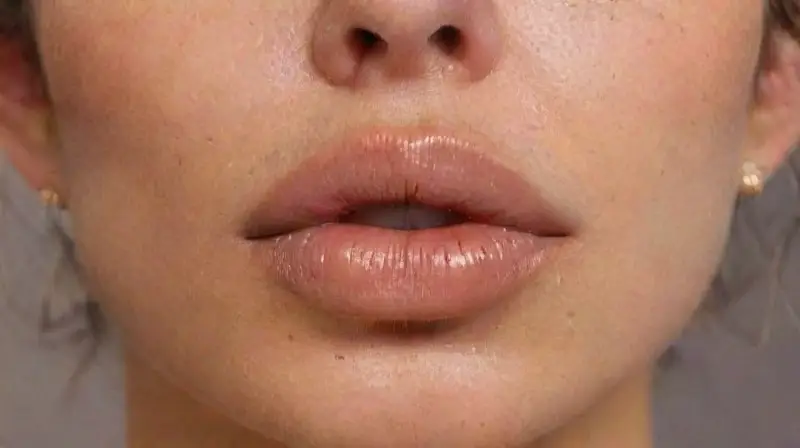
Lip piercing jewelry comes in various types, including studs, rings, and bars, each offering different aesthetic and functional benefits. Choosing appropriate jewelry affects comfort, healing, and overall look. It’s essential to select pieces that are safe and suitable for the specific piercing.
Studs are popular initially because they are less likely to irritate healing tissue and are easy to clean. Rings, on the other hand, provide more movement and can be styled to enhance facial features. Bars are often used in vertical labial piercings for their elongated shape that fits through the vertical opening.
Material choice is equally important; surgical-grade stainless steel, titanium, or biocompatible plastics are recommended to minimize allergic reactions and ensure durability. Custom jewelry may also be designed to accommodate swelling during healing without compromising comfort or safety.
Pain and Discomfort
Lip piercings typically involve a moderate level of discomfort, which varies based on individual pain tolerance and the piercing location. The procedure itself usually lasts only a few minutes and is performed with a sterile needle or piercing gun for safety.
Immediately after piercing, soreness and swelling are common but should subside within a few days. Over-the-counter pain relievers can help manage discomfort during this period. Cold compresses may also provide relief and aid in reducing swelling.
Experience and technique of the piercer play a significant role in minimizing pain. Choosing a reputable professional ensures that the procedure is performed swiftly and safely, reducing unnecessary discomfort. Proper aftercare also helps alleviate prolonged soreness and promotes quicker healing.
Safety and Risks
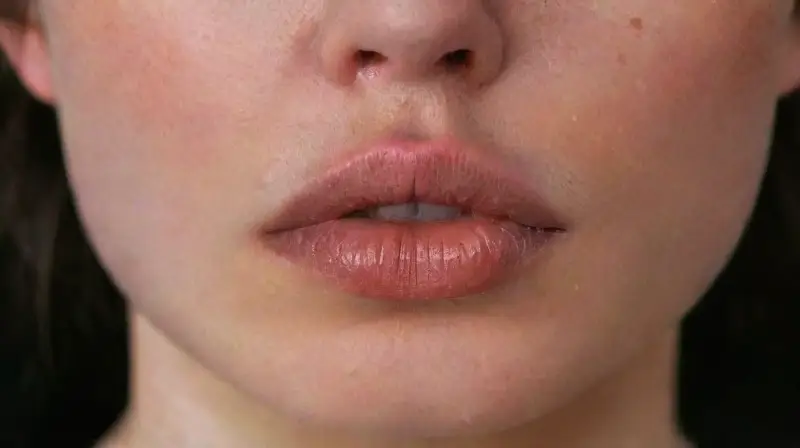
While lip piercings are generally safe when performed by experienced professionals, they carry inherent risks that should not be overlooked. These include infection, allergic reactions, nerve damage, and scarring. Following all aftercare instructions is essential to reduce these risks.
It is vital to choose a licensed and reputable piercing studio that adheres to strict hygiene standards. Using sterile equipment and high-quality jewelry further enhances safety. Always ask for proof of certifications and inspect the cleanliness of the workspace before proceeding.
Certain health conditions, such as diabetes or immune disorders, can increase the risk of complications. Consulting with a healthcare professional prior to getting a lip piercing ensures that it is a safe option. Being aware of potential risks helps individuals make informed decisions about their body modifications.
Alternatives and Trends
Lip piercings continue to evolve with new styles and placements emerging regularly. Some popular alternatives include snake bites, angel bites, and custom-designed jewelry that reflects personal tastes. Trends often influence choices, pushing the boundaries of traditional piercing art.
In addition to traditional piercings, some are exploring non-permanent options like temporary tattooing or adhesive jewelry for special occasions. These alternatives allow individuals to experiment with different looks without long-term commitment. They also provide a chance to see how a particular style suits their facial features.
Social media and celebrity influence significantly shape the popularity of specific piercing styles. Influencers often showcase unique combinations and jewelry designs, inspiring many to explore this form of self-expression. Staying informed about trends helps enthusiasts select styles that are both fashionable and suitable for their lifestyle.
Conclusion
Lip piercings like the labret, Monroe, and vertical labial styles offer a diverse range of options for personal expression and aesthetic enhancement. Understanding the differences, healing requirements, and care routines ensures a safe and satisfying experience. Whether subtle or bold, these piercings can accentuate facial features and reflect individual identity.
Ultimately, choosing the right lip piercing requires careful research and professional guidance. Prioritizing safety, material quality, and aftercare will contribute to a successful transformation that aligns with personal style and comfort. Embarking on this body modification journey can be rewarding when approached with knowledge and responsibility.